Contact us
Tech to Market
Essenstraat 1
5616 LG Eindhoven
The Netherlands
What does it mean to make something clear?
Not clearer. Clear. As in: the person on the other end knows exactly what to do with it.
It sounds like a low bar. In practice, it’s one of the hardest things to pull off, and one of the most underestimated. The default move is to simplify. Trim the detail, smooth the edges, make it digestible. But digestible for whom? For what moment?
Be the curator
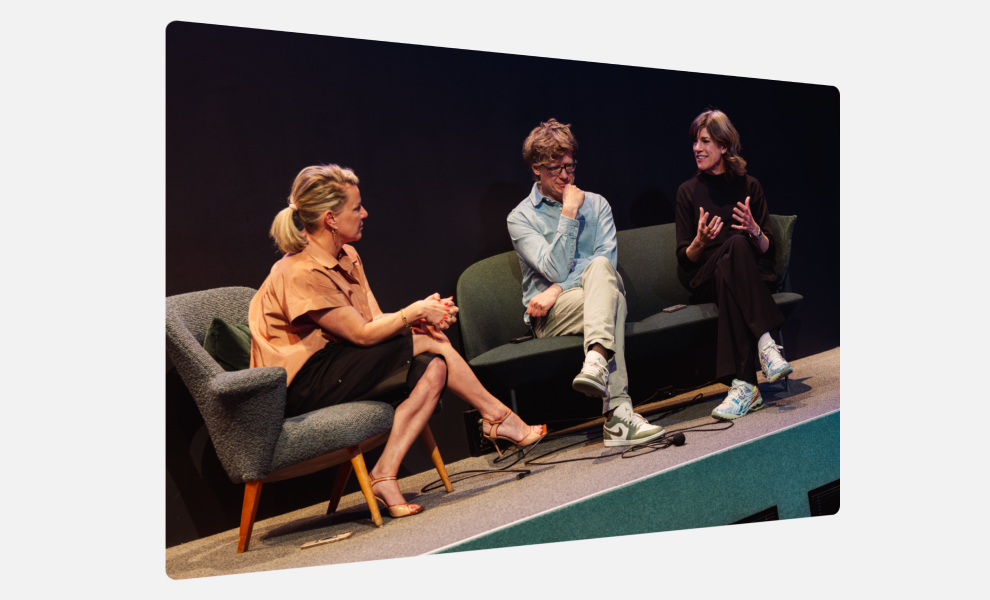
Every piece of communication is already a curation. The question is whether it’s a deliberate one. We include what we know, in the order we learned it, for an audience we’ve only loosely imagined. And then we wonder why the message didn’t land. Why the strategy didn’t stick. Why the stakeholder nodded but didn’t move. Curation starts from a different place: what does this person need to be able to do after reading this? It requires you to understand the material and the audience at the same time, and to make choices that serve the second more than the first. That means leaving things out, because they’re not useful at this moment, for this person, for this decision. And leaving things out, deliberately, is harder than it sounds. It requires conviction. It requires knowing what matters.
Visual storytelling
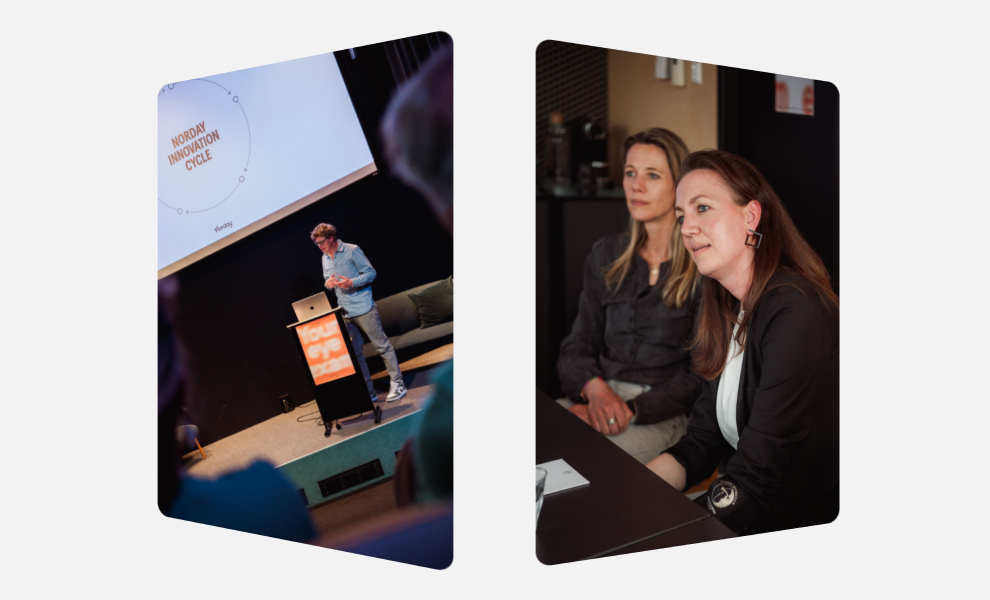
Visual communication does the thinking and structure becomes an argument. Hierarchy tells you what to pay attention to first. The sequence of information mirrors the way understanding builds. The best information design makes a complex thing feel inevitable, like of course it looks like this, how else would you show it. That sense of inevitability is the result of hundreds of small decisions about what to surface, what to suppress, and how to guide someone through without them noticing they’re being guided.
Something to point at
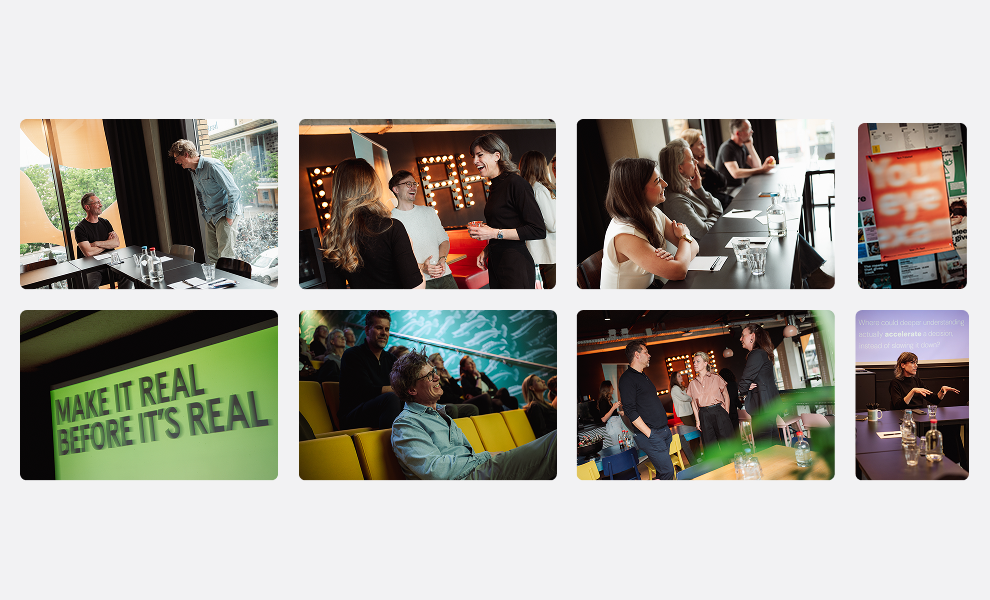
The earlier people can see something, the clearer the conversation gets. Prototyping used to be something you did late in the process, a deliverable near the finish line. AI has changed that. Building a working version of an idea is faster and cheaper than it’s ever been, so why wait? Bring stakeholders in earlier. React to something real from the first sprint. The thinking gets sharper, the alignment comes sooner, and the surprises arrive when they’re still easy to fix. The brands managing this well have stopped treating visual communication as a layer you add at the end.
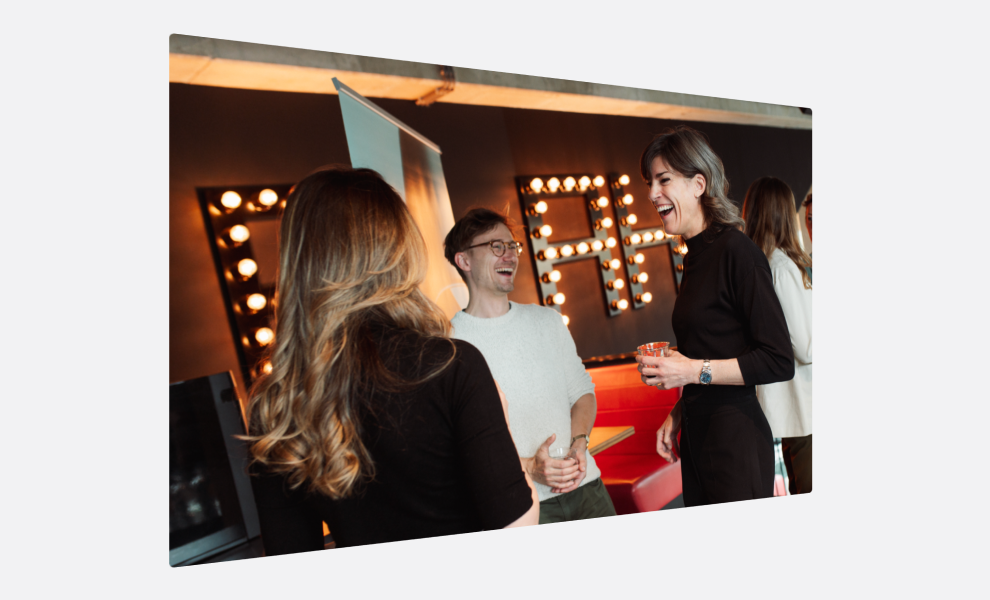
When you share something – a strategy, a recommendation, a plan – what does the other person walk away with? What they saw. And what they saw is something you can design. This blog came out of the conversations at Now to Next, our small-scale event series for curious communication professionals. The second edition is coming this fall, the theme: brand experience. More info soon, stay tuned!